All Projects (4,086)
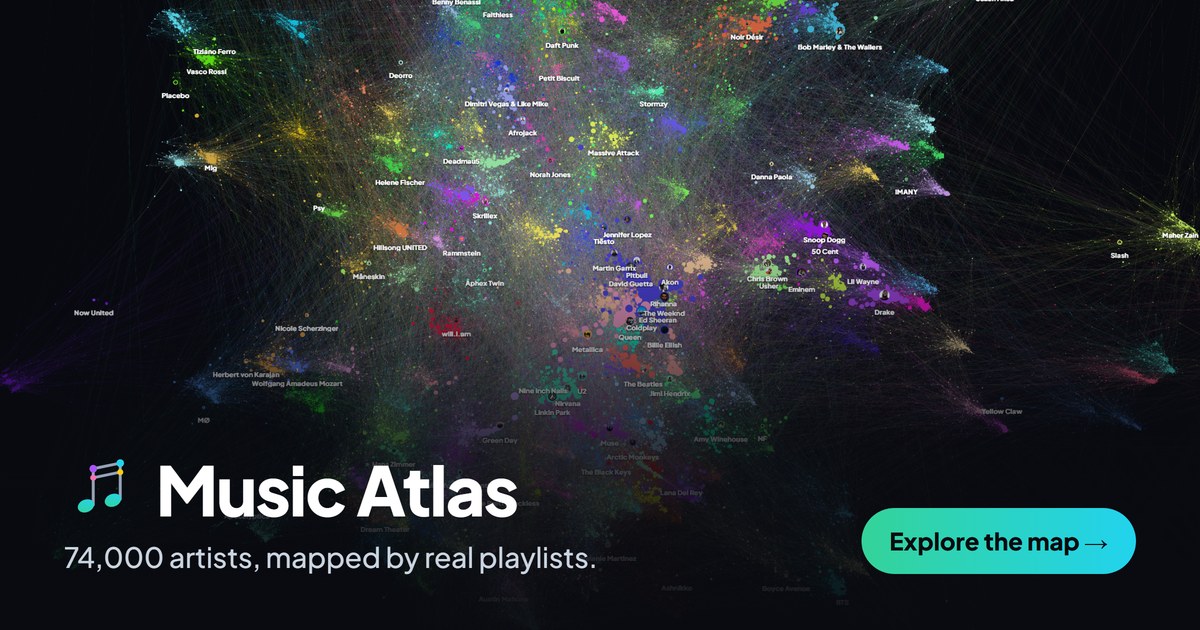
I created a website to view 60,000 music artists and their connections
1
1

I made a website builder that's really frèè
1
6

I Built AirSense — A Production-Ready MERN + Generative AI Air Quality Monitoring Ecosystem
1
0
I built a Mac podcast tool that keeps your current player (and learned the RSS handoff matters most)
1
2
I got tired of performing online, so I made a text-only app with real encryption
1
0

ScaledThought - an OpenAI-compatible API for open-weight models that your coding agent sets up itsel
1
1
I made a packing app for people who actually care what they wear on a trip
1
2
I built a tool so you can show “featured on” badges on your site without editing code every time
1
0

I built a tiny x86 OS in Assembly to learn how operating systems work
1
1
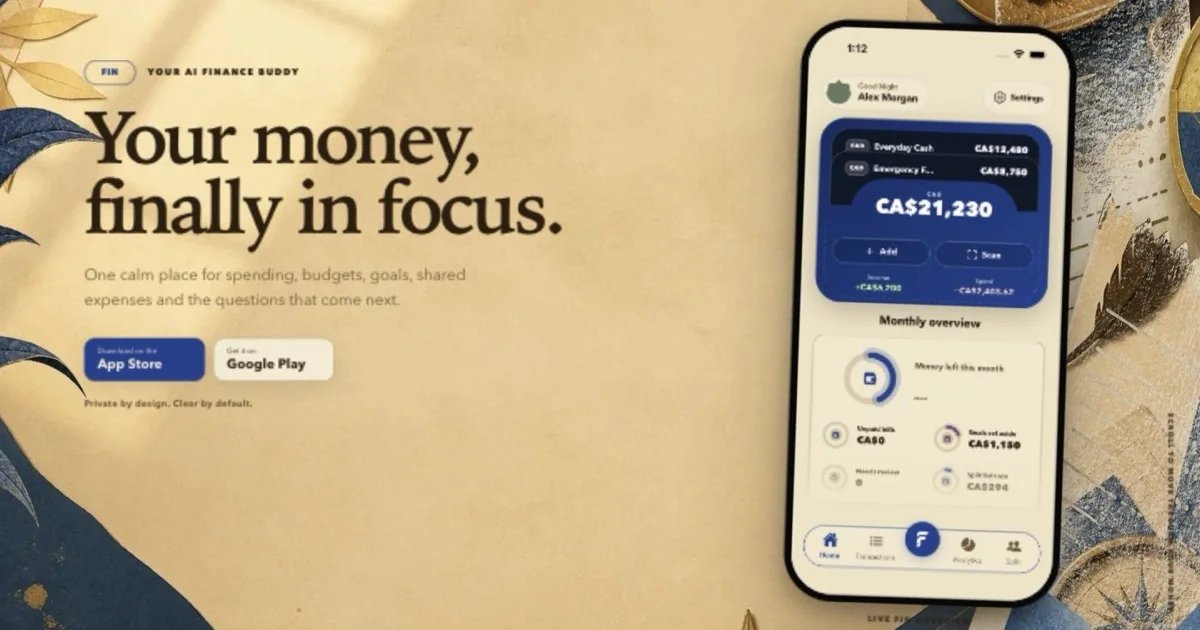
I’m building Fin, a budgeting app — looking for Android first-use feedback
1
2
Whiterabbit social media platform
1
1
I run a daily geography game for a few hundred people at work. I just built a public version.
1
5

Made a fanfic reading/tag tracking app
1
0
I've been building imagecompressor.si for a while and it's live now, so I'd like some honest feedbac
1
0

I made a Playtesting and Recording Studio for Magic The Gathering
1
0
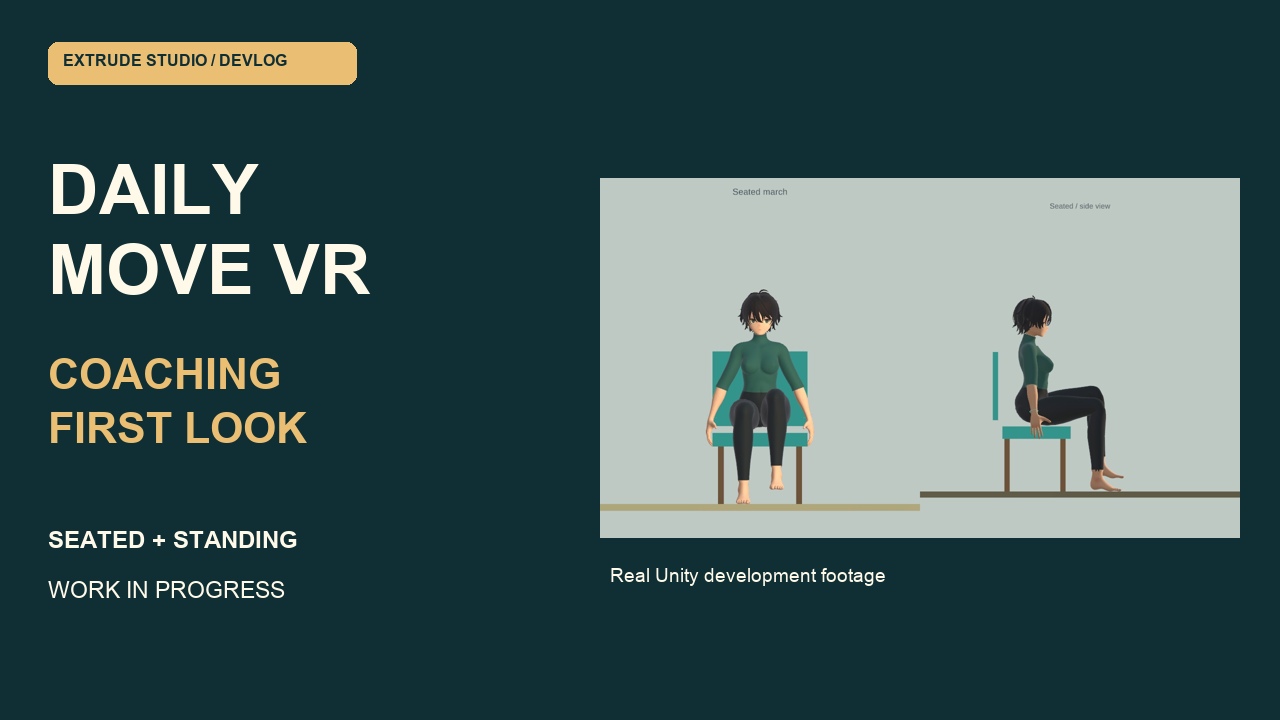
I’m building Daily Move VR: short seated and standing movement sessions with a coach
1
2
I built a map of where public figures stand on AI development
1
1
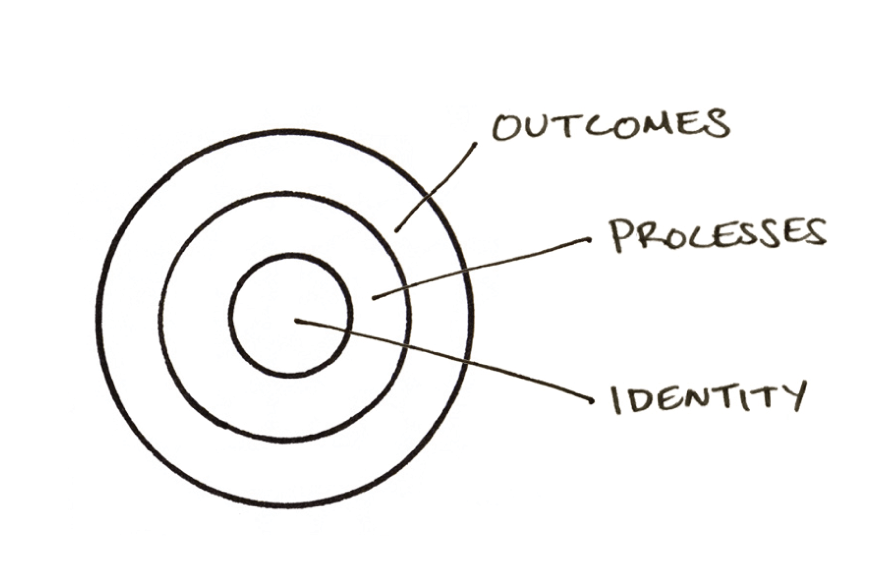
I had a beautiful life that felt like it belonged to someone else. I built something that helped to
1
4
I fought Apple and Google for weeks just to launch my simple niche app
1
1
I built a UK Budget simulator in time for this week’s Budget
1
1
I built a cashback service that publishes a receipt for every commission it earns
1
3